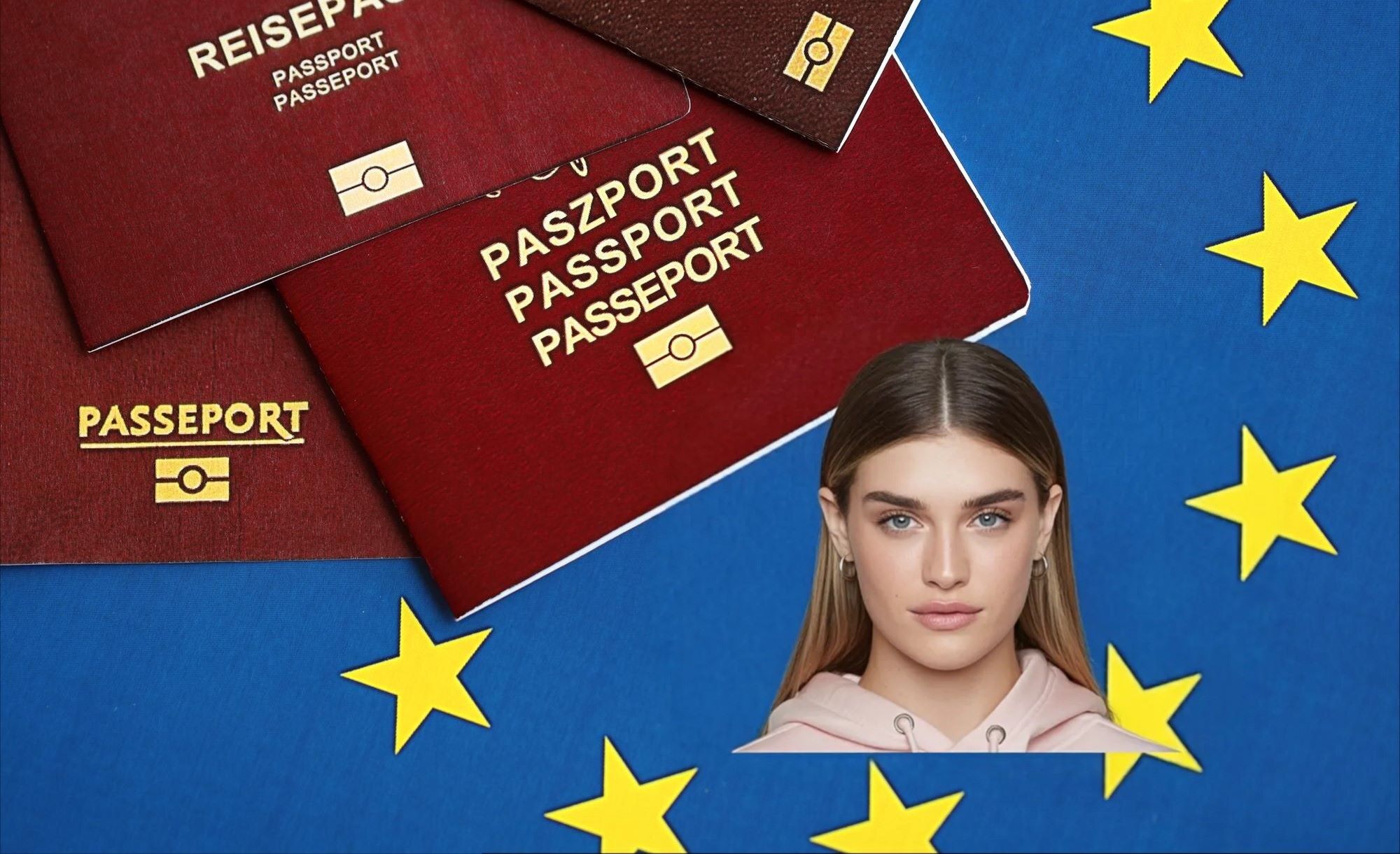
Applying for a job in Europe? You might think your resume and skills are all that matter, but did you know that the document photo you submit can significantly impact your application? Yes, that small photo can be a game-changer! Across European countries, strict guidelines ensure your photo portrays you professionally and fits official standards. This article dives deep into the essential document photo guidelines for job applications in Europe, helping you avoid common pitfalls and present your best self.
General Photo Requirements for Job Applications in Europe
When applying for jobs in Europe, the photo you submit as part of your application must meet certain standards to create a positive first impression. These requirements help employers quickly identify you and assess your professionalism. Generally, the photo should resemble a passport or ID photo in terms of style—clear, well-lit, and formal. It’s important to follow these guidelines carefully because a poor-quality or inappropriate photo might make your application look less serious or even be rejected outright. Across Europe, the emphasis is on simplicity and clarity: your face should be the main focus, and nothing in the photo should distract from that.
Standard Photo Dimensions and Size
Most European countries require job application photos to follow passport-style dimensions, which are typically around 35 millimeters wide by 45 millimeters tall (approximately 1.4 by 1.8 inches). This size is small enough to fit neatly on forms and documents but large enough to clearly show your facial features without distortion. The dimensions are quite strict because they ensure uniformity and help hiring managers quickly recognize candidates when reviewing applications.
If you’re applying for a job in the U.S. with European companies or subsidiaries, it’s wise to stick to these dimensions unless the employer specifies otherwise. Using the right size helps avoid delays in processing your application. Also, this size is very close to standard passport photo dimensions used worldwide, which makes it convenient to reuse photos taken for passports or visas, provided they meet the quality and background requirements. Keep in mind, submitting photos that are too large, too small, or cropped incorrectly may cause your application to be discarded.
Background Color and Style
A clean, plain background is a must for job application photos in Europe. Usually, a white or light gray background is preferred because it contrasts nicely with your face and clothing, making you the clear focus of the image. Busy or patterned backgrounds are strongly discouraged since they draw attention away from your face and can make the photo look unprofessional. A plain background also helps ensure that the photo meets biometric standards, which some employers check for consistency.
Lighting is equally important to avoid shadows or uneven color patches on the background. The goal is a smooth, distraction-free backdrop that makes you stand out naturally. If you take the photo yourself, choose a well-lit room with a neutral wall or use a plain sheet as a backdrop. Avoid harsh lighting or direct sunlight that creates glare or deep shadows behind you. In short, simplicity is key: your photo background should be the silent support that lets your face speak for itself.
Facial Expression and Appearance
When preparing your document photo for job applications, your facial expression plays a crucial role in how you are perceived. The best expression to aim for is a neutral look or a slight, approachable smile. This type of expression helps you appear confident and friendly without seeming overly casual or unprofessional. A neutral expression conveys seriousness and focus, which is appreciated in many European and American workplaces, while a subtle smile softens your look, making you more approachable to hiring managers.
In addition to expression, your posture and gaze are important. Always look directly into the camera to establish a connection with the viewer, which projects honesty and openness. Keep your head straight—avoid tilting it to one side—as tilting can appear informal or careless. Remember these tips for the best photo impression:
- Use a neutral or gentle smile expression
- Maintain direct eye contact with the camera
- Keep your head upright and straight
- Avoid exaggerated facial expressions or frowning
- Present yourself as confident but approachable
By following these guidelines, you help ensure that your photo reflects your professional personality and increases your chances of making a positive first impression.
Hairstyles and Accessories
Your hairstyle and choice of accessories can either enhance or detract from the professionalism of your job application photo. Keeping your hair neat and tidy is essential. Hair should be styled so that your face is fully visible without strands obscuring your eyes, forehead, or cheeks. If you have long hair, consider tying it back or styling it away from your face to maintain a clean and polished look. A well-groomed hairstyle signals attention to detail and professionalism.
Accessories like glasses and head coverings also need careful consideration. Glasses are usually allowed, but make sure that the frames are not too thick or large, as they can obscure your eyes. It’s also important to avoid glare on the lenses caused by lighting. Head coverings such as hats are generally not acceptable unless worn for religious or cultural reasons. However, it’s always wise to verify specific country or employer policies. Here’s a quick checklist to keep your hairstyle and accessories job-application-friendly:
- Keep hair neat, clean, and styled away from the face
- Avoid hairstyles that cover the eyes or forehead
- Wear glasses only if necessary and ensure eyes are visible
- Avoid glare on glasses by adjusting lighting
- Do not wear hats or caps unless for religious reasons
- Keep jewelry minimal and unobtrusive
By paying attention to these details, you ensure that nothing distracts from your face, allowing your professional image to shine through clearly.
Country-Specific Variations in Europe
Different European countries have unique cultural expectations when it comes to document photos for job applications. Understanding these subtle differences can help you tailor your photo to fit local preferences, improving your chances of making a good impression.
Germany
In Germany, photo standards for job applications are quite strict and formal, resembling passport photos in style and seriousness. German employers expect a professional, polished appearance that conveys reliability and seriousness. This means a plain background, neutral facial expressions, and business-appropriate attire are essential. The photo should clearly show the face, with no distracting elements, ensuring it aligns with official standards often used for identification documents.
Additionally, Germans tend to value precision and formality in applications, so even minor deviations from the guidelines can impact the perception of your professionalism. A clean, no-nonsense photo is preferred. Avoid overly casual looks or exaggerated smiles; instead, opt for a subtle and composed demeanor that signals respect for the application process.
France
French employers often prefer a natural, understated appearance in application photos, reflecting the country’s broader cultural values around elegance and simplicity. Minimal makeup and a neutral or gentle expression are recommended to keep the focus on your genuine self rather than a stylized image. The background should be light and simple, allowing your face to be the main point of attention without distractions.
In France, photos that look too posed or artificial can be seen as less sincere, so authenticity is prized. Applicants are encouraged to present themselves as approachable yet professional, striking a balance between warmth and seriousness. This cultural nuance makes a natural photo with soft lighting and subtle expression the best choice for French job applications.
United Kingdom
The United Kingdom has a somewhat more relaxed approach to job application photos compared to many continental European countries, but professionalism remains key. While the UK doesn’t always require the strict passport-style photo, many employers still expect a clean, business-casual image. In some cases, casual business attire is acceptable, reflecting the UK’s blend of formality and modern workplace culture.
That said, the photo should still be neat, clear, and well-composed. Overly casual photos or selfies are generally discouraged, but a photo that conveys friendliness and confidence without stiffness is ideal. UK applicants can often afford a bit more personality in their photos, provided the overall impression remains professional.
| Country | Photo Style | Facial Expression | Background & Attire |
| Germany | Strict, passport-style | Neutral, serious | Plain background, formal attire |
| France | Natural, understated | Neutral or slight smile | Light background, minimal makeup |
| United Kingdom | Relaxed, business casual | Friendly, confident | Simple background, neat attire |
Digital vs. Physical Photos
In today’s job market, digital applications dominate, so submitting your photo electronically is often the norm. When uploading digital photos, it’s crucial to follow specific file format requirements—typically JPEG or PNG are accepted. Additionally, most employers or online portals set file size limits, often between 1 to 2 megabytes, to ensure quick loading and easy processing. Make sure your photo maintains good resolution and quality within these size restrictions to avoid appearing pixelated or blurry.
Common Mistakes to Avoid in Document Photos
Avoiding mistakes in your application photo is just as important as following guidelines. One of the most common errors is using outdated photos that no longer reflect your current appearance. Employers expect to see a recent and accurate image, so update your photo regularly. Poor lighting conditions that cast harsh shadows or create uneven tones can also ruin an otherwise good photo, so ensure the lighting is soft and even.
Another pitfall is over-editing. Applying heavy filters or excessive retouching can make your photo look unnatural and unprofessional. Remember, authenticity is key: your photo should represent the real you, not a digitally enhanced version. Other mistakes include distracting backgrounds, improper framing, and inappropriate attire. Double-check your photo before submitting to ensure it meets all guidelines and presents you in the best light possible.
Tips to Take the Perfect Document Photo for Job Applications
To capture the ideal job application photo, start by choosing the right lighting. Natural daylight or soft white light works best to avoid shadows and highlights that can distort your features. Position yourself facing the light source and avoid overhead lighting that casts unflattering shadows on your face. A plain, neutral background is essential to keep the focus on you, so pick a clean wall or hang a solid-colored sheet if needed.
When it comes to camera positioning, hold the camera at eye level to avoid awkward angles. This perspective offers the most flattering and professional view. If possible, consider hiring a professional photographer who understands these requirements, especially if you’re applying for highly competitive jobs. However, a smartphone camera can also suffice if you pay attention to detail: use a tripod or stable surface, ensure proper lighting, and take multiple shots to select the best one. Don’t forget to dress professionally, just as you would for an in-person interview, to complete the polished look.